
One of the projects I was assigned in my first year at Sony was “failure rate prediction.”
It’s been over 45 years, so my memory is quite fuzzy, but I believe the assignment was something along the lines of: “Develop a parameter analysis program to ensure that at least 95% of products pass inspection with 95% accuracy when exporting new products to the U.S.”
Back then, there weren’t any decent off-the-shelf software packages available, so I basically wrote the program from scratch myself using the FORTRAN programming language.
Also, since personal computers were not supplied to employees, I first wrote the rough program on paper, then go to a place called the “computer room” inside the office building, apply for time on the TSS (time-sharing system), and use the mainframe computer for a limited time to write the complete program.
Now, I’ve gone on a bit of a tangent, but the main topic of this discussion is “failure rates from the user’s perspective.”
I imagine many of you check for “low failure rates” before purchasing a car or an electronic device.
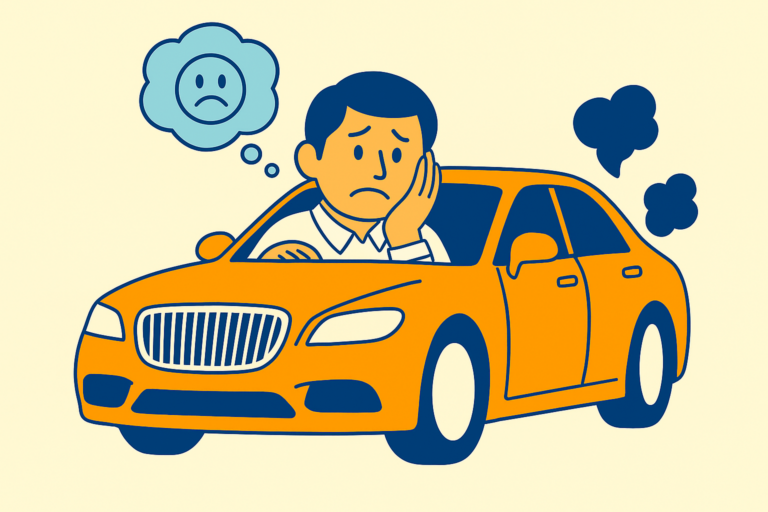
And yet, even after buying a model with a reputation for high quality and feeling reassured, it sometimes breaks down sooner than expected! In such cases, the disappointment is all the greater because expectations were so high. For that particular user, the failure rate is effectively 100%.
In other words, while the failure rate of a product is defined as the number of units that might fail per 100 units sold, for an individual user, if their own unit doesn’t break, the failure rate is zero; if it Does break, the failure rate is 100%. It’s a world of either zero or one.
This is the tricky part: even if a product has sold hundreds of thousands of units with few failures and become a highly rated, popular item, if it fails for a single influential celebrity or in a high-security conscious environment, its reputation can plummet to rock bottom in an instant.
As a B2B company that prides itself on “unparalleled accuracy,” we will always keep the above in mind. We will not rest on our laurels despite our current track record of virtually zero failures, but will continue to strive for even better quality performance.